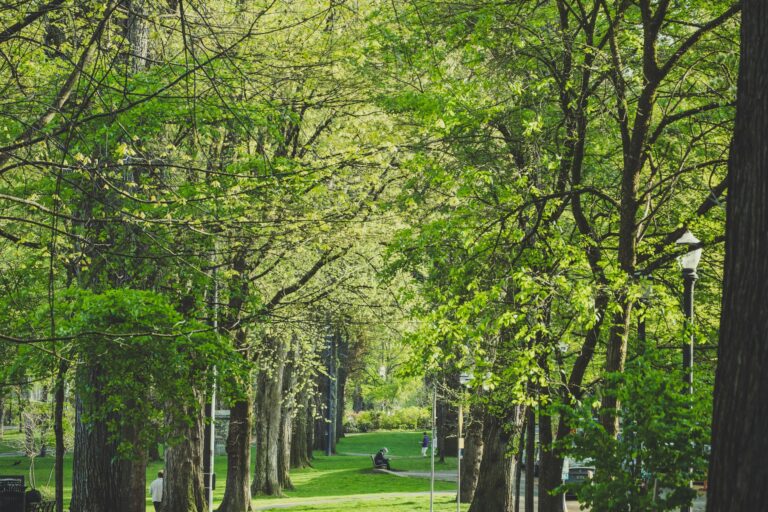
Lake Oswego: Luxury Living with Portland Soul

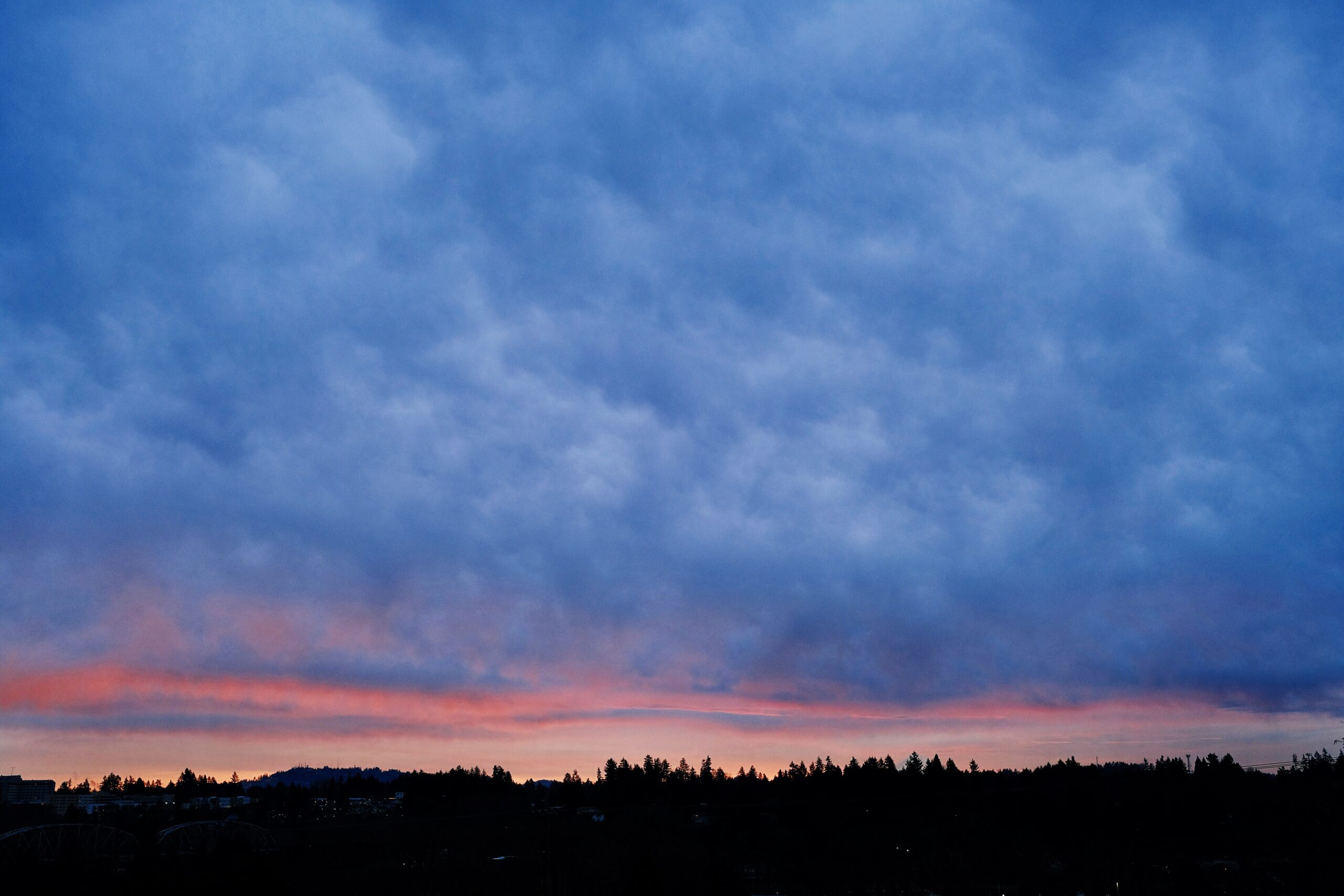
Here’s my favorite way to figure out Lake Oswego. Skip the brochures. Drive south of Portland on a Saturday morning, park near Millennium Plaza, and just stand by the reflecting pond for a minute. Boats on Lakewood Bay. People grabbing coffee. A downtown that still feels like itself when the weekend energy settles down.
That’s Lake Oswego. A real lake, public waterfront paths, and a short drive north when you want more of the city.
The lake is the point
Lake Oswego is not a metaphor. There is an actual lake here, with paths and parks that pull you outside even when the sky does its usual Pacific Northwest thing. Downtown orbits Millennium Plaza Park and Lakewood Bay. That plaza is the geographic center: reflecting pond, fireplace, pergola, open lawn. If you only make one stop on a first visit, start there.
Housing is a mix you can see from the street. Single-family homes with yards and porches. Condos closer to downtown and the water. If you want more outdoor space without leaving the metro, this is it in physical form: lake access, river parks, and Portland still close enough for a weeknight.
Downtown that doesn’t reinvent itself every month
Lake Oswego’s downtown is not flashy-new every month. Long-running restaurants and shops sit along the plaza and nearby blocks. The calendar matches that steadiness: Farmers Market, Movies in the Park, Moonlight and Music.
You don’t need a nightlife scene that reinvents itself weekly. You need a place that still works when you’re just grabbing coffee and watching the bay.
Parks that earn the drive
George Rogers Park covers about 26 acres along the Willamette. Athletic fields, trails, a playground, river access, and the Iron Furnace historic site sit in one package. It’s a park you plan a morning around, not a postage-stamp green strip you pass on the way somewhere else.
Foothills Park is smaller, about 9 acres, and more river-focused. Kayak launches, viewing platforms, direct water access. Practical if you want on the Willamette without a long logistics session.
Pair those with the lake paths and you get a clear outdoor map: lake side for paths and bay views, Willamette side for river acreage and launches.
Why I’m writing about this
I help a lot of people move to the Portland area from somewhere else. Once they trust me, the question is always the same: “What’s it actually like to live there?”
This is what it’s like south of the city line. You walk a waterfront path when the week is ordinary. You watch boats from Millennium Plaza. You find the Iron Furnace at George Rogers so the Willamette side feels real, not just lake branding. Neighbors show up for Movies in the Park like it’s part of the week, not a special occasion.
You won’t find that on a listing sheet. It’s the stuff that makes a place feel like home.
The honest tradeoff
Lake Oswego is lake-centered living on Portland’s south edge. Commutes into the city are real. Evenings feel quieter. You still get coffee, parks, and a downtown that holds up between the big event nights, with Portland close enough when you want more of the city.
Portland’s strength is how many good options sit within a short drive. Keep Lake Oswego on the list if the lake, the plaza, and that calmer rhythm are what you’re after.
If you go
When I walk people through for the first time, I keep it simple.
Start at George Rogers Park. Walk the river edge and find the Iron Furnace so you feel the Willamette side, not only the lake. Then head to Millennium Plaza. Stand by the reflecting pond, watch how downtown folds around Lakewood Bay, and decide whether the day-to-day rhythm matches what you want.
Go on a weekend morning if you want the plaza busy. Go on a weekday if you want room to notice the paths and the bay without the Saturday crowd.
That loop will not close a decision. It will tell you fast whether Lake Oswego fits your shortlist or stays a nice place you visited. Both answers are useful.