Hawthorne and Belmont: Where Independent Living Meets Community


When I think about Hawthorne and Belmont, I think about people who’ve made a values-based choice about where they want to build their lives. These neighborhoods attract folks who prioritize community over convenience, authenticity over trends, and connection over isolation. They’re neighborhoods for people who want to unlock the next chapter of their lives in a place where that chapter actually feels intentional and real.
What These Neighborhoods Are Really About
Hawthorne and Belmont sit just blocks apart in Southeast Portland, but they each have their own personality while sharing the same core appeal: they’re genuinely walkable, deeply eclectic, and unapologetically Portland. Both established in the early 1900s, these neighborhoods carry real history in their architecture—tree-lined streets, Craftsman homes, vintage apartments, converted warehouse coffee roasters, independent bookstores, and record shops that have somehow survived the corporate homogenization of American neighborhoods.
What makes them special isn’t nostalgia for the past; it’s that this authentic character has survived and thrived in a city where development pressure is constant. Walk these streets and you’ll notice something immediately: people actually choose to be here. Hawthorne Avenue pulses with intention—vintage clothing stores sit beside yoga studios, craft breweries, Powell’s Books, specialty coffee roasters, and community gathering spaces. It doesn’t feel corporate or planned; it feels like a neighborhood that evolved through the values and commitment of actual business owners and residents who decided their community mattered more than maximizing profit.
Belmont feels slightly quieter, a bit more intimate, though equally excellent. You can actually get a restaurant reservation here and have a conversation without shouting over noise. The places that thrive on Belmont tend to stick around—family-owned restaurants where they remember your order, bars with real culture, businesses owned by people deeply invested in neighborhood character rather than extracting and leaving.
The People Who Choose Here
I’ve worked with so many buyers over the years who end up in Hawthorne or Belmont, and they share something in common: they’re intentional about what they want their life to look like. Young professionals who want walkable urban living without downtown prices. Families who’d rather live close to excellent independent schools and community culture than in a sprawling suburban development. Artists and creative types drawn to Portland’s original spirit. Longtime Portlanders who want to stay in their community but move into a neighborhood with more walkability and connection. Empty nesters ready to embrace urban living over a big house and lawn.
None of these people are the same demographic, but they share values: authentic community, walkability, local business, connection to their neighborhood, and the idea that Portland should actually feel like Portland—not like every other American city you could drive through and never know the difference.
The Lifestyle Reality
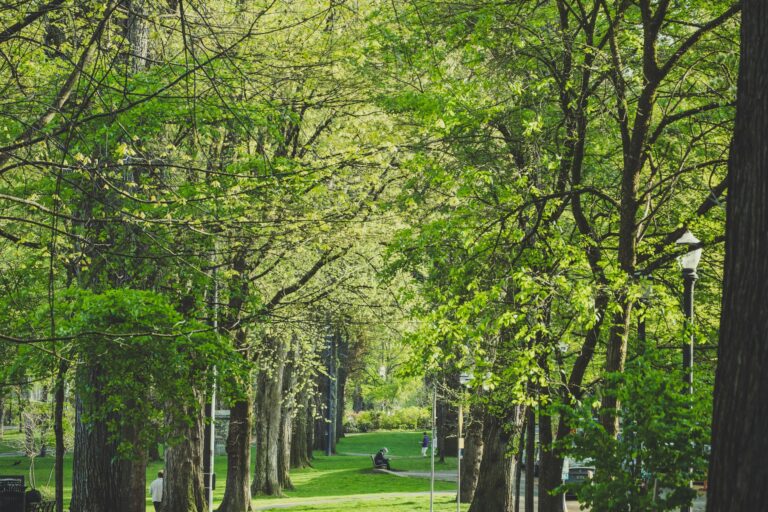
Both neighborhoods are genuinely walkable in a way that changes how you live—you can handle most daily needs on foot and it doesn’t feel like you’re compromising or making do. Coffee, groceries, dinner, excellent restaurants, parks, shopping. Your bike is useful here; your car becomes optional in a way that feels liberating rather than limiting. Public transit works well if you commute elsewhere. The tree canopy is mature and substantial. You’re living in an actual neighborhood where people engage—street fairs, block parties, neighborhood associations that function, open mics, gallery walks—not just a residential area.
But there are real tradeoffs worth understanding. Parking requires strategy. Street noise is part of urban life here. Prices have climbed, though there’s still more price diversity than in some trendy Portland neighborhoods. Housing is older—vintage cottages, Craftsman bungalows, updated apartments—which means character but also the reality of 1900s construction. Gentrification has changed some of the edges, though these neighborhoods have held their authentic spirit better than many Portland areas that got completely flipped.
The Coffee and Food Culture
If you move to Hawthorne or Belmont, you’re inheriting access to genuinely excellent coffee and restaurants in a way that becomes part of your daily life. Portland’s coffee roasting culture is real and thriving, and these neighborhoods are where it’s most visible—not as tourism but as actual community culture. The restaurant scenes here range from casual to upscale, with actual staying power. People invest in these neighborhoods long-term, so you get restaurants that have been neighborhood anchors for decades alongside newer places with real vision. Breweries, wine bars, food pods, Thai, Vietnamese, Italian, Mexican, American—and it doesn’t feel manufactured or like a restaurant row; it feels like a neighborhood where people genuinely eat and gather.
Who This Life Is For
If you’re someone who values walkability over a driveway, community connection over isolation, authentic character over newness, and the ability to build a life where your neighborhood actually feels intentional, these neighborhoods deliver exactly that. They answer a specific question that a lot of people relocating to Portland are asking: What does it actually feel like to live in Portland? Not the Portland you see in magazine spreads or travel guides, but the real Portland—where people have chosen to build lives around community and connection.
The answer is here on these streets. Walk them yourself. Grab coffee at a roaster that takes their craft seriously. Browse a bookstore that’s been there for decades. Eat lunch at a restaurant where the owner is present. Sit in a park and notice how many people are here because they genuinely want to be, not because they’re passing through. Notice the murals. Notice the people. Notice how the neighborhood feels.
That’s what draws people to Hawthorne and Belmont, and that’s why they stay. It’s the real thing—community, connection, character, and the kind of neighborhood that makes you feel like you’ve actually landed somewhere.
Ready to explore whether one of these neighborhoods could be YOUR next chapter? Let’s talk about what authentic Portland living could look like for you. Schedule a free Inspired Housing Conversation and let’s dig into whether this is home.